 Roy J. Riley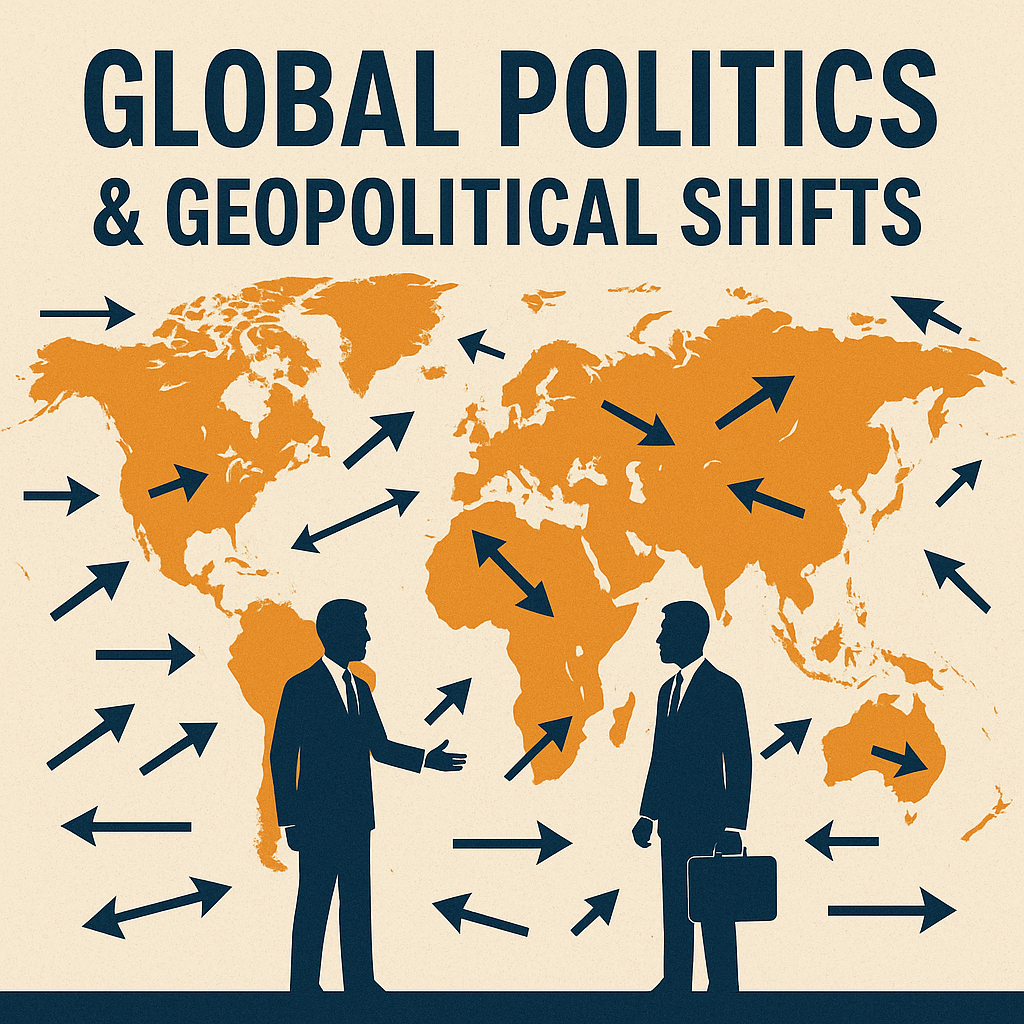
The global political landscape continues to experience profound changes as nations navigate economic pressures, emerging alliances, technological competition, and shifting power dynamics. From rising regional influence to new diplomatic frameworks, the world in the mid-2020s is entering a period defined by strategic recalibration and geopolitical realignment.
Reshaping Global Power Structures
Power centers are no longer confined to a handful of major nations. Emerging economies across Asia, Africa, and Latin America have expanded their roles in global decision-making. Multinational blocs are shifting as countries seek new trade partners, alternative security frameworks, and diversified energy collaborations. This redistribution of influence is creating a more multipolar global order.
Technology as a Strategic Battleground
Innovation continues to play a critical role in geopolitical strategy. Nations are competing fiercely in areas like artificial intelligence, cybersecurity, quantum computing, and semiconductor manufacturing. Control over technological supply chains has become a national security priority, pushing governments to invest in domestic production and international partnerships to reduce dependence on rival powers.
Energy & Climate Policy Driving Diplomacy
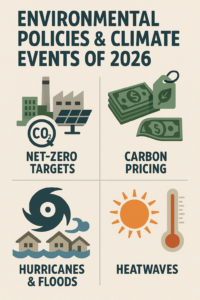
Energy security remains at the center of geopolitical negotiations. Many countries accelerated their transition to renewable energy sources, reshaping traditional alliances tied to oil and gas. Climate agreements, carbon-reduction targets, and green technology investments are influencing diplomatic relationships and forming new environmental coalitions.
Regional Conflicts & Strategic Tensions
Localized conflicts and border disputes continue to impact global stability. Nations are increasing defense spending, modernizing military capabilities, and strengthening regional security pacts. Cyber warfare, misinformation campaigns, and proxy strategies are also becoming more prevalent as countries leverage non-traditional methods to assert influence.
Growth of International Cooperation & Global Institutions
Despite rising tensions, 2025–2026 also saw renewed emphasis on multilateral cooperation. Countries are expanding economic partnerships, participating in global health initiatives, and collaborating on sustainability goals. International organizations are adopting new frameworks to handle cyber threats, climate risks, and humanitarian challenges more effectively.
What the Future Holds
The next phase of global politics will be shaped by how nations adapt to new economic realities, technological disruptions, and climate pressures. As power becomes more distributed, the world will rely increasingly on dialogue, innovation, and strategic partnerships to maintain stability. Understanding these shifts is crucial for anticipating future geopolitical outcomes.